Innovative Practices in AS9100 Certified Aerospace Manufacturing
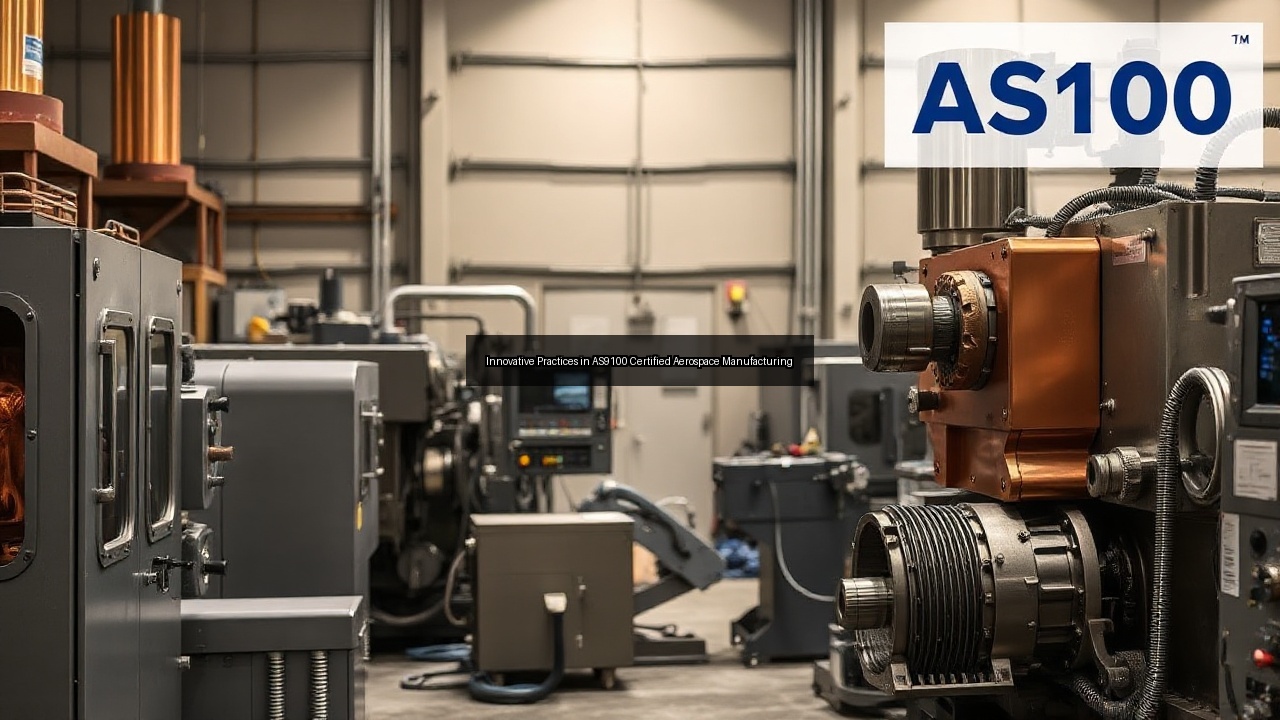
Understanding AS9100 Certification in Aerospace Manufacturing
Overview of AS9100 and Its Importance
The AS9100 certification represents a vital standard for quality management in aerospace manufacturing. This certification specifically targets organizations that design, develop, or produce aerospace products. The aerospace industry demands precision and reliability, making the AS9100 standard crucial for ensuring that products meet stringent safety and performance criteria. Achieving AS9100 certification signifies a commitment to excellence, helping aerospace manufacturers enhance their reputation and competitiveness. Additionally, this certification fosters greater customer confidence, as clients know they are working with suppliers who adhere to rigorous quality standards.
Differences Between AS9100 and ISO 9001
While AS9100 builds upon the foundation established by ISO 9001, it includes additional requirements tailored for the aerospace sector. ISO 9001 serves as a general quality management system applicable across industries, focusing on customer satisfaction and process improvement. In contrast, AS9100 incorporates specific aerospace-related stipulations, such as risk management, configuration management, and product safety. These differences make AS9100 essential for organizations within aerospace manufacturing, as they address unique challenges and requirements that ISO 9001 does not cover. Understanding these distinctions helps aerospace machine shops align their practices with industry standards.
Key Requirements for AS9100 Certification
Organizations seeking AS9100 certification must comply with several key requirements. Firstly, they must establish a comprehensive quality management system that encompasses all aspects of operations, from design and production to delivery and customer service. Documented processes and procedures are critical for demonstrating compliance and ensuring consistent quality. Additionally, organizations must engage in regular audits and assessments to identify areas for improvement. Continuous training for staff is essential to maintain high-quality standards. By meeting these requirements, aerospace manufacturers not only achieve certification but also enhance their operational efficiency and product quality.
Innovative Practices in Aerospace Machine Shops
Advanced Metalworking Techniques
Aerospace machine shops increasingly adopt advanced metalworking techniques to enhance precision and efficiency. Techniques such as additive manufacturing and CNC machining enable these shops to create complex components with minimal waste. Additive manufacturing, or 3D printing, allows for the rapid production of intricate parts, which is particularly beneficial in the aerospace industry where lightweight materials are crucial. Furthermore, precision CNC machining ensures that components meet exact specifications, reducing the risk of errors during production. These innovative practices not only improve product quality but also lead to faster turnaround times, allowing aerospace manufacturers to respond quickly to market demands.
Utilization of ITAR Compliance in Machine Shops
International Traffic in Arms Regulations (ITAR) compliance plays a significant role in aerospace manufacturing, especially for machine shops that work with defense-related products. Adhering to ITAR ensures that sensitive technologies and materials do not fall into the wrong hands, thus protecting national security interests. Aerospace machine shops must implement robust compliance programs, including employee training and rigorous documentation practices. By maintaining ITAR compliance, these shops can participate in government contracts while safeguarding their intellectual property. This adherence not only fulfills legal obligations but also enhances the shop's credibility in the competitive aerospace landscape.
Case Study: Hogge Precision's Approach to AS9100
Hogge Precision exemplifies a successful implementation of AS9100 standards in aerospace manufacturing. This Virginia-based machine shop specializes in precision machining for aerospace components, focusing on delivering quality and reliability. By integrating advanced quality management systems aligned with AS9100, Hogge Precision has streamlined its processes and enhanced its operational efficiency. The shop employs state-of-the-art machinery and employs skilled technicians trained in both ISO 9001 and AS9100 standards. This commitment to quality has not only earned Hogge Precision certifications but has also established it as a trusted supplier in the aerospace industry, demonstrating the tangible benefits of adhering to stringent quality standards.
Quality Management Systems in Aerospace Manufacturing
Integrating ISO 9001 Standards with AS9100
Aerospace manufacturers can achieve significant benefits by integrating ISO 9001 standards with AS9100 certification. ISO 9001’s focus on customer satisfaction and continuous improvement complements AS9100’s specific aerospace requirements. By establishing a unified quality management system that incorporates both standards, organizations ensure a comprehensive approach to quality. This integration fosters a culture of excellence, enabling machine shops to streamline operations, reduce waste, and enhance product quality. Furthermore, it prepares them for audits and assessments by demonstrating a commitment to both general and specialized quality practices, ultimately leading to improved competitiveness in the aerospace sector.
The Role of Quality Management in Aerospace Machine Shops
Quality management plays a crucial role in aerospace machine shops, influencing every aspect of production. A robust quality management system ensures that all processes comply with industry standards and customer specifications. By prioritizing quality, machine shops can minimize defects, reduce rework, and enhance customer satisfaction. Regular quality audits and employee training programs further bolster these efforts, fostering a culture of continuous improvement. Moreover, effective quality management reduces operational costs associated with non-compliance and product failures, allowing aerospace manufacturers to maintain a strong market position in an increasingly competitive landscape.
Benefits of AS9100 Certification for Aerospace Manufacturers
Obtaining AS9100 certification offers numerous benefits for aerospace manufacturers. Firstly, it enhances product quality, ensuring that components meet stringent safety and performance standards. Certification also boosts customer confidence, as clients prefer working with suppliers committed to quality management. Furthermore, AS9100 certification can lead to increased operational efficiency, as organizations streamline processes and reduce waste. This improvement often results in cost savings, enabling manufacturers to invest in innovation and growth. Additionally, certification opens doors to new markets and opportunities, as many clients and government contracts require compliance with AS9100 standards. Overall, the benefits of AS9100 certification significantly outweigh the investment required to achieve and maintain it.
Future Trends in AS9100 Certified Aerospace Manufacturing
Emerging Technologies in Aerospace Machine Shops
The future of aerospace manufacturing lies in the adoption of emerging technologies that enhance efficiency and precision. Machine shops increasingly turn to artificial intelligence (AI) and machine learning to optimize production processes. These technologies enable predictive maintenance, reducing downtime and improving overall productivity. Additionally, the integration of the Internet of Things (IoT) allows for real-time monitoring of equipment and processes, facilitating quick adjustments to enhance quality. As aerospace manufacturers embrace these innovations, they position themselves at the forefront of industry advancements, ensuring they meet the evolving demands of the market while maintaining compliance with AS9100 standards.
Sustainability Practices in Metalworking
As environmental concerns grow, sustainability has become a key focus in aerospace manufacturing. Machine shops are adopting eco-friendly practices that minimize waste and reduce their carbon footprint. Techniques such as recycling scrap metal and utilizing energy-efficient machinery contribute to more sustainable operations. Additionally, aerospace manufacturers are exploring the use of bio-based materials and environmentally friendly lubricants in metalworking processes. Embracing sustainability not only fulfills corporate social responsibility but also appeals to clients who prioritize eco-conscious suppliers. By integrating these practices, machine shops can enhance their reputation while remaining compliant with AS9100 certification requirements.
The Impact of API Standards on Aerospace Manufacturing
American Petroleum Institute (API) standards increasingly influence aerospace manufacturing, particularly for companies involved in the production of components for the oil and gas industries. These standards focus on safety, reliability, and quality in manufacturing processes. Aerospace machine shops that comply with API standards can enhance their operational processes, aligning them with industry best practices. This alignment not only improves product quality but also opens new avenues for collaboration and contracts in related sectors. As the aerospace industry continues to evolve, understanding and integrating API standards will play a crucial role in maintaining compliance and achieving long-term success.
See Also
- Best Practices for Achieving AS9100 Certification in Your Machine Shop
- Exploring AS9100 Certification as a Competitive Edge in Aerospace Manufacturing
- From ISO 9001 to AS9100 How Aerospace Machine Shops Evolve
- The Role of AS9100 Certification in Elevating Metalworking Excellence
- Key Differences Between ISO 9001 and AS9100 for Machine Shops