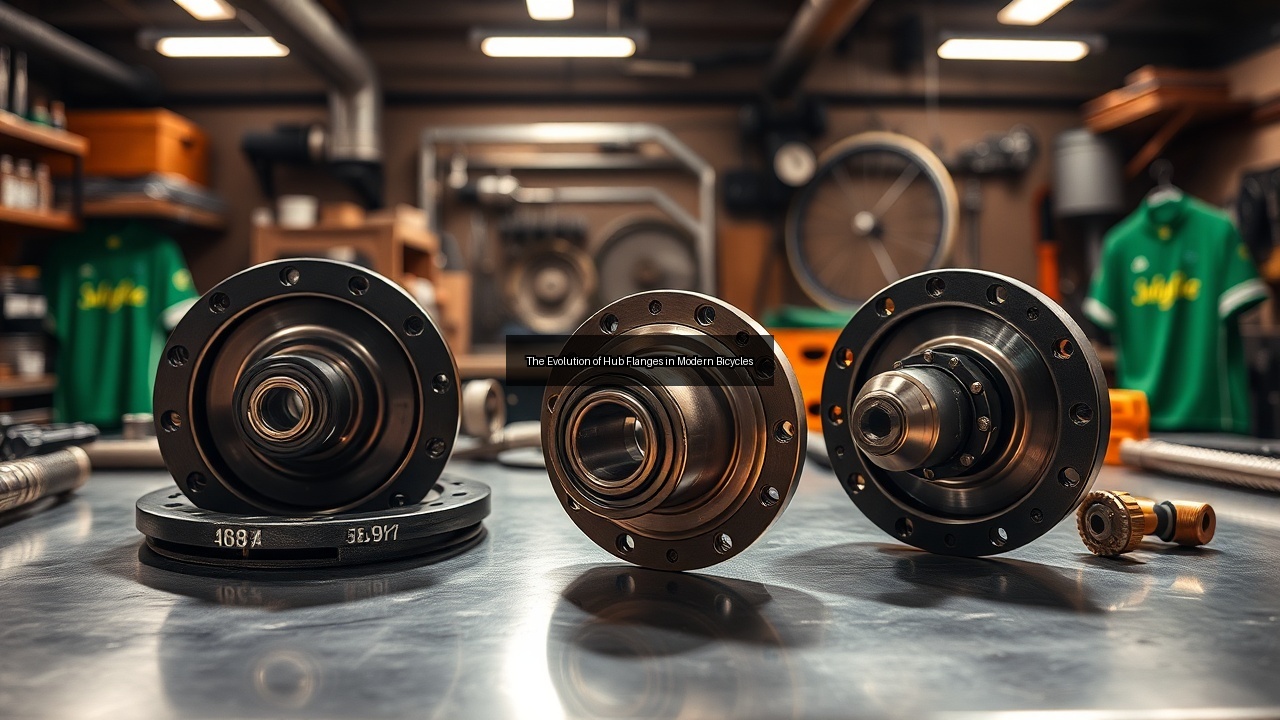
The Evolution of Hub Flanges in Modern Bicycles
The Role of Hub Flanges in Bicycle Design
Understanding Flanges and Their Function
Hub flanges play a crucial role in bicycle design, serving as the critical connection point for the spokes that support the wheel. These flanges, typically situated on either side of the hub, provide a secure anchor for the spokes, which transfer the rider’s power to the wheel. Effective flange design ensures optimal wheel stability and performance, allowing for efficient energy transfer during rides. The geometry and material of the hub flange can significantly impact the overall weight and strength of the wheel assembly, making thoughtful design essential for serious cyclists.
The Importance of Flange Ball Bearings
Flange ball bearings enhance the functionality of hub flanges by reducing friction during wheel rotation. Properly installed ball bearings allow the hub to spin freely, improving the bicycle's overall efficiency. The quality and type of bearings used can make a significant difference in performance. High-quality flange ball bearings minimize resistance, providing a smoother ride. For competitive cyclists, the choice of bearings can be as crucial as the bike’s frame or wheels, influencing speed and maneuverability on challenging terrains. Regular maintenance of these bearings is essential to ensure their longevity and the overall performance of the bike.
Comparing Flanged vs Non-Flanged Hubs
Flanged hubs differ significantly from non-flanged hubs in terms of structural integrity and performance. Traditional non-flanged hubs often struggle with spoke tension and wheel durability, leading to potential failure under high-stress conditions. In contrast, flanged hubs distribute loads more evenly across the spokes, enhancing wheel strength and reducing the likelihood of spoke breakage or failure. Flanged designs tend to offer more stability, which is particularly important during high-speed descents or competitive races. Cyclists often prefer flanged hubs for their superior performance, particularly in events like the Tour de France Femmes, where every detail counts.
Historical Development of Hub Flanges
Early Designs and Innovations
The evolution of hub flanges can be traced back to the early days of cycling, where rudimentary designs primarily focused on functionality rather than performance. Early bicycle hubs featured simple flanges, often made from steel, lacking the sophisticated engineering we see today. Innovations emerged as cycling gained popularity, leading to improved designs that addressed issues related to weight and durability. The introduction of flanged hubs marked a significant turning point, allowing for a more efficient transfer of power and better overall ride quality. These early innovations set the stage for the advanced technology we now expect in modern bicycles.
Key Milestones in Hub Flange Evolution
Several key milestones mark the evolution of hub flanges, reflecting advancements in materials and engineering techniques. The introduction of aluminum as a hub flange material in the late 20th century revolutionized bicycle design by reducing weight while maintaining strength. This shift allowed competitive cyclists to benefit from lighter bikes, enhancing their performance on the road. Subsequent advancements led to carbon fiber flanges in high-end models, offering even greater weight savings and strength. Each milestone served to push the boundaries of what cyclists could expect from their equipment, paving the way for the modern designs we see on the market today.
Influence of Racing Events: From Bordeaux to Pau
Racing events have historically influenced the evolution of hub flanges. Iconic races, such as those held from Bordeaux to Pau, highlighted the need for improvements in wheel design. As cyclists faced varied terrains and demanding conditions, the performance of their equipment became paramount. The feedback from professional racers prompted manufacturers to innovate, leading to the development flange hub of more robust and efficient flanged hubs. These events not only showcased the capabilities of new designs but also drove the market toward continual improvement and innovation in hub flange technology, directly benefiting everyday cyclists in the process.
Modern Innovations in Hub Flange Technology
Material Advancements: From Aluminum to Carbon Fiber
Modern innovations in hub flange technology have focused heavily on material advancements. The transition from aluminum to carbon fiber represents a significant leap forward. Carbon fiber flanges offer a superior strength-to-weight ratio, making them ideal for high-performance bikes. This lightweight material reduces overall bike weight while enhancing the stiffness of the wheel, leading to improved power transfer and efficiency. Manufacturers continually experiment with new composites to further enhance the performance of flanged hubs, blending durability with minimal weight. As competitive cycling demands higher performance, these advancements in materials will likely play a pivotal role in the future of bicycle design.
The Impact of Ball Bearings on Performance
Ball bearings remain a critical component in optimizing the performance of hub flanges. The integration of high-quality bearings allows for smoother rotations, reducing the energy lost to friction. Innovations in bearing technology, such as ceramic bearings, have emerged, offering lower rolling resistance and improved durability. These advancements can drastically enhance a cyclist's speed and efficiency, making them essential for competitive cyclists. Properly maintained ball bearings ensure that flanged hubs perform at their best, translating into tangible benefits on race day. As technology continues to evolve, the synergy between hub flanges and ball bearings will drive performance improvements in cycling.
Set Screws and Their Significance in Hub Flanges
Set screws play an understated yet significant role in the functionality of hub flanges. These small components secure the bearings and maintain the alignment of the hub, which is crucial for optimal performance. Properly installed set screws ensure that the hub rotates smoothly and efficiently, contributing to the overall stability of the wheel. As manufacturers focus on weight reduction and performance, the design and materials used for set screws have also evolved. High-strength materials can minimize weight while maximizing durability and reliability, ensuring that even the smallest components enhance the performance of the bicycle.
The Future of Hub Flanges in Competitive Cycling
Case Study: Tom Pidcock and Gear Selection
Tom Pidcock's performance in competitive cycling provides insights into the importance of hub flanges in gear selection. As a top competitor, Pidcock relies on finely tuned gear systems that include flanged hubs designed for maximum efficiency and responsiveness. The integration of advanced hub flange technology allows Pidcock to maintain speed and control during races. Analyzing his equipment choices reveals how modern designs, including the use of premium ball bearings and lightweight materials, contribute to his success. Understanding the mechanics behind these choices can inform both amateur and professional cyclists about the critical role of hub flanges in performance.
The Role of Hub Flanges in the Tour de France Femmes
The Tour de France Femmes exemplifies the importance of hub flanges in competitive cycling. The demanding nature of this race requires bicycles equipped with the best technology available. Flanged hubs equipped with high-quality bearings provide the resilience and performance needed during the grueling stages. As the race unfolds, every second counts, making the efficiency of wheel rotation vital. Teams invest in cutting-edge hub flange designs to ensure their cyclists maintain peak performance throughout the event. The integration of innovative technologies in hub flanges has become a defining characteristic of modern competitive cycling.
Trends in Wheel Design and Flange Integration
Trends in wheel design increasingly emphasize the integration of hub flanges as a critical factor in performance. Manufacturers are exploring new geometries and materials that enhance aerodynamics and strength. The movement towards wider rims has also influenced flange design, as wider wheels require thoughtful integration of flanges to maintain balance and stability. Innovations such as adjustable flanges and customizable spoke patterns are emerging, allowing cyclists to tailor their equipment to their specific needs. As the industry evolves, the future of hub flanges will undoubtedly reflect these trends, promoting improved performance and user experience for cyclists at all levels.
See Also
- How to Troubleshoot Common Issues with Hub Flanges
- Top Tips for Choosing Flanged Hubs for Your Next Project
- Understanding Hub Flanges and Their Role in Modern Engineering
- The Role of Hub Flanges in Optimizing Ball Bearing Performance
- Understanding the Relationship Between Hub Flanges and Stock Availability